Guides ·
How to Choose the Perfect Gym: A Complete Guide
By Muay Thai coach, GymJoin co-founder
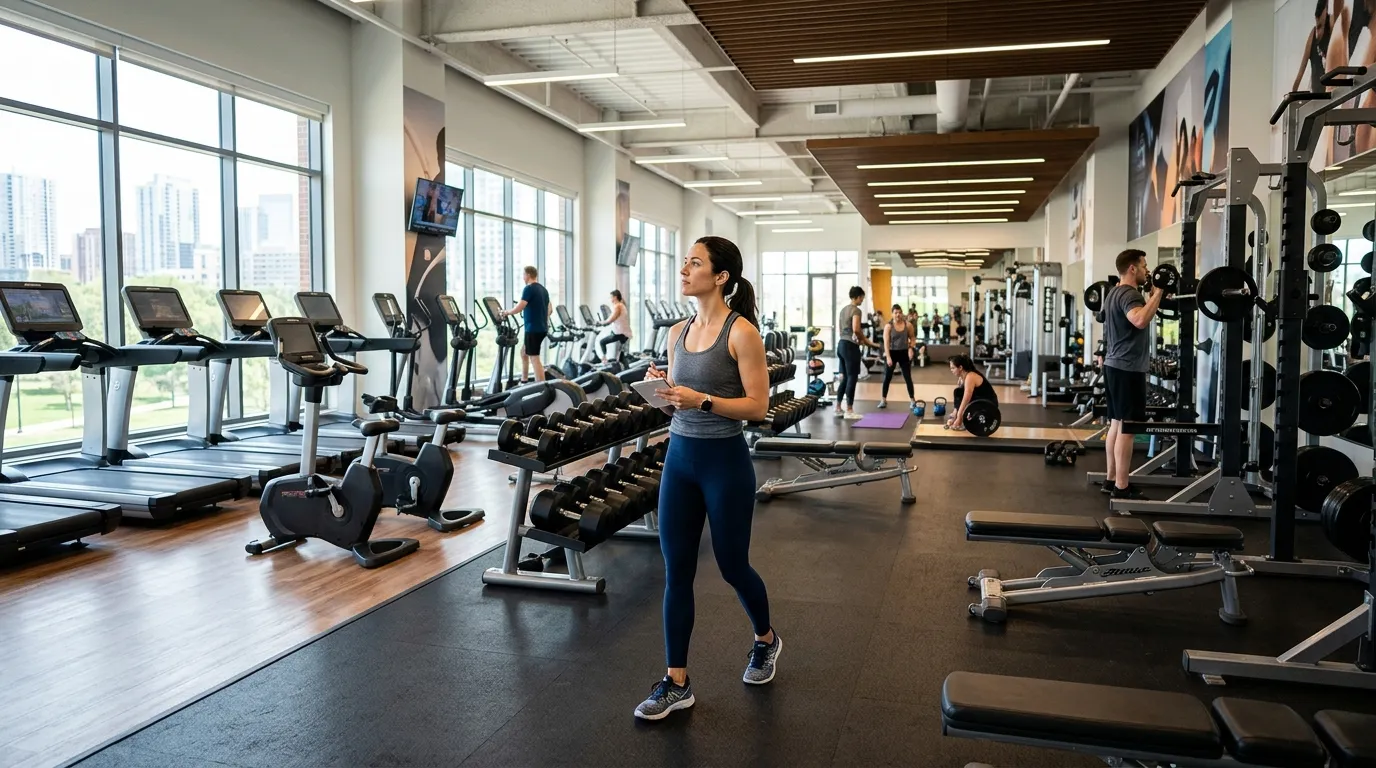
Choosing a gym is a decision that directly shapes your progress, your motivation, and whether you actually want to show up. Finding a club today seems simple: open a map on your phone and dozens of options appear. But with so much choice, how do you pick the one gym that actually fits your vibe, budget, and needs?
In this article, we’ll walk through the key selection criteria, decode what Google ratings actually mean, and figure out the ideal logistics for training consistently.
1. Location and Commute Time: The Golden Rule of Consistency
The number-one enemy of any training routine is laziness, and a long commute to the gym is its best friend.
- The ideal commute: it’s best if the trip from home or work to the gym takes no more than 15–20 minutes.
- Why it matters: if you have to cross town through traffic, you’ll inevitably be tempted to skip a session after a hard day at work.
- The exception: if you’re after a niche, specialized club — a professional combat sports gym, a CrossFit box with rare equipment, or an Olympic-standard pool — it can be worth a slightly longer commute for that unique quality, as long as you keep a strict schedule.
2. What’s Actually Behind a Google Rating?
When you search for places online, you see stars and reviews. But a high rating alone is no guarantee you’ll actually like the place.
- The number of reviews matters: a gym with a 5.0 rating and only 3 reviews from the owner’s friends is a red flag. A rating of 4.6–4.8 backed by several hundred reviews, on the other hand, points to consistently good service.
- Read the detailed comments: instead of just looking at the number, pay attention to what people are actually praising or criticizing.
- Warning signs in reviews: repeated complaints about dirty locker rooms, broken equipment, unqualified staff, or hidden fees when canceling a membership.
- Positive signals: cleanliness, working equipment, polite front-desk staff, and good ventilation.
3. Searching Through Mobile Apps: The Modern Approach
Your smartphone is your best tool for quickly scanning the fitness market. Dedicated apps don’t just help you find a gym on a map — they let you compare terms, check schedules, or book a session in a few taps.
- Map-based services (like GymJoin): the fastest, simplest way to find clubs nearby. Use geo-filters, read recent reviews from real visitors, browse interior photos, and check peak-hour crowding right on your phone screen.
- Fitness aggregators: platforms that bundle dozens of different clubs into one interface. They let you buy a single membership with access to multiple locations, which is extremely convenient if you split your training between a gym near home and one near the office.
- Specialized platforms: if you’re not after a generic fitness club but a niche sports space — a combat sports gym, a CrossFit box, or a licensed training section — use dedicated or federation-run platforms. They often list accredited clubs, coaching staff, and event schedules.
- The benefits of mobile search: instant messaging with the club to ask questions, checking current promotions, quickly booking a trial session online, and setting up discount notifications.
4. Key Criteria for Choosing a Gym
Beyond location and reviews, evaluate a gym on the following factors.
Ventilation and Microclimate
This might be the single biggest comfort factor. In a gym with poor ventilation and stuffy air, training becomes hard just 15 minutes into a session. The air should feel fresh, and the temperature moderate — usually around 18–20°C (64–68°F).
Zoning and Equipment
Assess whether the space actually fits your goals:
- Cardio zone: are there enough treadmills, ellipticals, and stationary bikes during peak hours?
- Free weights zone: dumbbell racks with 1–2 kg increments, barbells, power racks, Olympic bars, and plates.
- Specialized zones: if you train combat sports, check the quality and padding of the mats and the availability of heavy bags and speed bags; for functional training, TRX straps, battle ropes, and medicine balls matter.
Locker Rooms and Sanitation
Check the number of lockers, whether the locks work, the availability of clothing hooks, and how clean the showers and restrooms are. Hair dryers and drinking-water coolers are a nice, meaningful bonus.
Hours and Crowding (Peak Times)
Find out when the gym is busiest (usually the 5–8 p.m. window). Ask the front desk whether you’ll be waiting in line for equipment during that time.
5. Coaching Staff and Atmosphere
Even the best equipment won’t get you results if you lack motivation or the right guidance.
- Coach qualifications: look at the coaching staff’s certifications, diplomas, or competitive achievements. A real professional will always assess your technique and health on your very first session.
- Atmosphere and crowd: every gym has its own culture. Some clubs are built around serious athletic results and discipline, others around relaxed fitness and socializing. Pick the environment where you’ll actually feel comfortable.
6. The Final Test: A Mandatory Trial Session
Never buy a year-long membership based purely on flashy photos on social media or a website.
- Book a trial session at the time of day you actually plan to train.
- Test the commute for real.
- Notice how the staff treats you — are they genuinely trying to help, or just trying to sell you a membership?
- Listen to how you feel after the session: do you actually want to come back?
A well-chosen gym is an investment in your health, energy, and long-term results. Approach the decision thoughtfully, and your training will bring nothing but satisfaction!