Your Smartphone as a Pocket Coach: How Apps Improve Performance
By Muay Thai coach, GymJoin co-founder
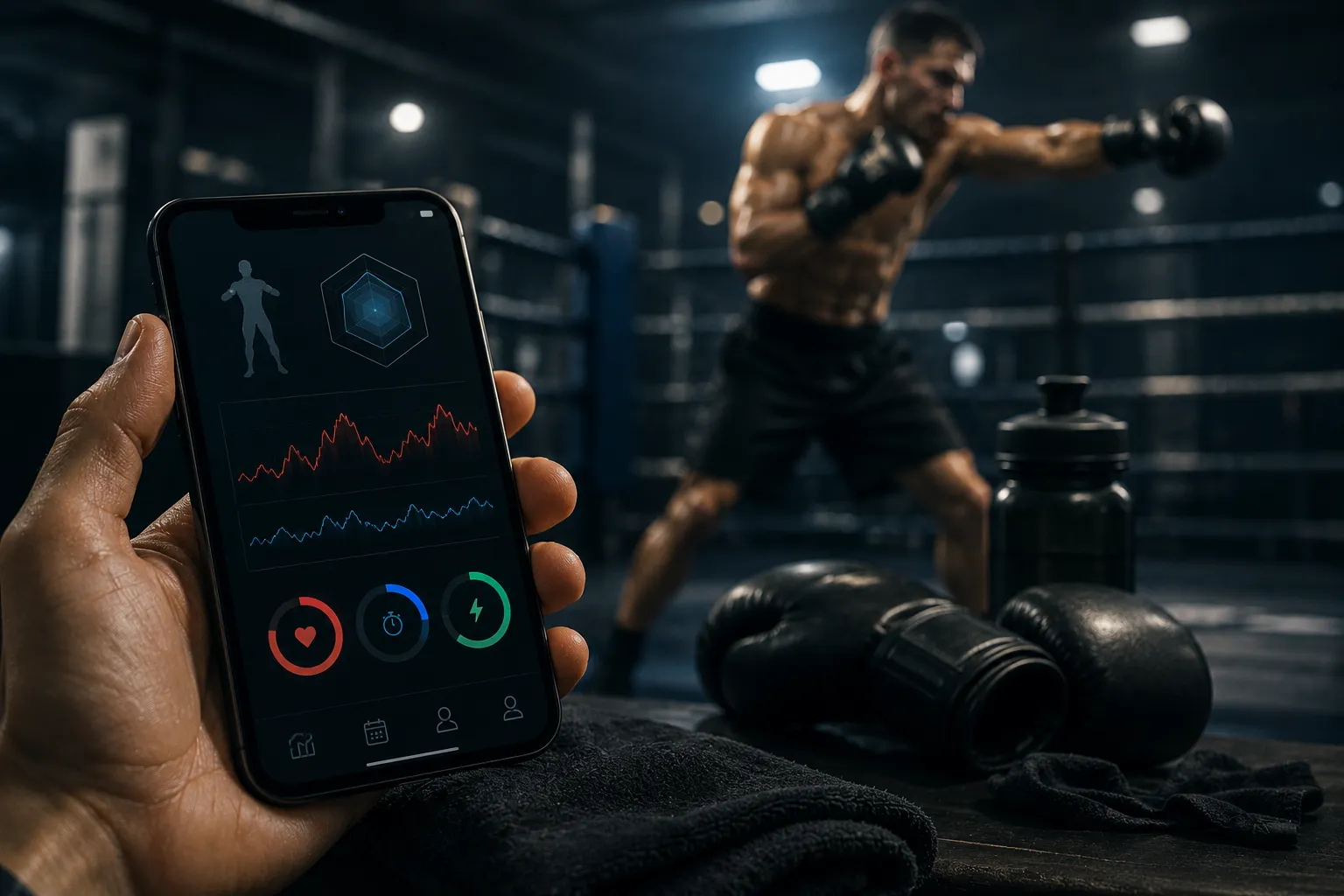
Just 10–15 years ago, a training log was a paper notebook, calories were counted “by eye,” and fatigue was judged purely by how you felt. Today, an ordinary smartphone has turned into a serious analytics hub.
Mobile apps have taken the guesswork and chaos out of training. They let you turn an athlete’s preparation into a real system, where every step, every calorie, and every heartbeat works toward the goal.
1. Categories of Sports Apps and Their Most Popular Players
Modern fitness software can be split into four main categories, each covering a specific part of an athlete’s needs.
A. Activity and Cardio Trackers (GPS & Activity)
Built to log routes, distance, pace, steps, and energy expenditure during running, walking, or cycling.
- Strava: a social network for runners and cyclists. Its signature feature is comparing your times on specific segments against other athletes’ results.
- Nike Run Club (NRC): a free app with excellent video and audio guidance for building running endurance.
B. Nutrition and Calorie Tracking (Calorie & Nutrient Trackers)
Let you manage your energy balance, count calories, and break down your diet into protein, fat, and carbs.
- MyFitnessPal: the world’s largest food database, with barcode scanning built in.
- FatSecret: a simple, convenient food diary with detailed micro- and macronutrient analytics.
- Cronometer: a professional-grade tool for anyone tracking not just calories, but vitamins, minerals, and amino acid intake as well.
C. Recovery and Biometric Monitoring (Recovery & HRV)
Analyze the state of the autonomic nervous system, sleep quality, and how ready the cardiovascular system is for training load.
- Elite HRV: the industry standard for measuring heart rate variability each morning via a chest strap.
- Welltory: an app that analyzes stress levels and builds comprehensive health reports from watch or smartphone-camera data.
- Garmin Connect / Polar Flow: ecosystem apps that pull data from heart rate monitors and watches into a single recovery graph.
D. Strength and Functional Workout Logs
Replace paper notebooks, tally total tonnage lifted, and track progressive overload.
- Hevy / Strong: the best apps for logging sets, reps, and working weight in the gym, with clear progress charts.
2. How Apps Improve Results in Combat Sports
Combat sports — Muay Thai, kickboxing, MMA, boxing — demand a combination of explosive power, fast reaction time, and enormous endurance. A common mistake among fighters is grinding every single session into the ground. Apps help solve that problem:
- Real-time heart-rate zone management: during pad work or sparring, apps like Polar Beat or Polar Team show the coach exactly when a fighter enters the red (anaerobic) zone. This makes it possible to adjust the pace of the round on the spot and track recovery speed between rounds.
- Protecting reaction speed (Ring IQ): striking technique depends about 90% on how fresh the central nervous system (CNS) is. With HRV-tracking apps like Elite HRV, a fighter knows when their CNS is overloaded and can swap hard sparring for light technical work instead — preventing injuries and a drop in speed.
- Specialized timing: timer apps (Tabata Timer, Boxing Interval Timer) let you program specific round structures — say, 3 minutes of work with 10-second bursts every 30 seconds — mimicking the real rhythm of a fight.
3. How Apps Help Make Weight Before Competition
A weight cut in contact sports is a critical process — a mistake here can cost an athlete their endurance, their strength, or even get them pulled from the tournament entirely.
The math of a weight cut = a precise calorie deficit + protein preservation + hydration control.
- Precise deficit calculation, no guesswork: with MyFitnessPal or FatSecret, the athlete and coach can see exactly how many calories are being consumed. This makes it possible to run a planned, safe deficit — say, -500 kcal a day — over several weeks before competition, instead of resorting to extreme starvation three days before the weigh-in.
- Preserving muscle mass and strength: while cutting weight, the body tends to burn muscle along with fat. Apps track daily protein intake (usually 1.8–2.2 g per kg of bodyweight) to make sure it’s fat tissue that’s being lost, while working strength is preserved.
- Water balance tracking (water loading): before the active dehydration phase, athletes often use a water-loading protocol. Hydration-tracking apps help plan out fluid intake hour by hour.
Conclusion
Mobile apps don’t train for you, but they make every joule of energy spent in the gym count for as much as possible. They turn sport from an intuitive process into a transparent, safe, and predictable system — whether you’re a professional fighter heading into a major bout, or an amateur who just wants to stay in shape without wrecking their health.